
The happiest land owners we know all have one thing in common: they took their time at the start. A calm, organised check before buying turns “I hope it’s fine” into “I know it’s fine.” Here is the friendly checklist, split into paperwork and a site visit, that we’d follow ourselves.
This is the tenth and final chapter of our series. The earlier chapters will help you understand the context: why farm land, the rules and the payment plans.
Part 1: The paperwork checklist
- 7/12 extract (satbara) and 8A. Get a recent copy. Check the owner’s name, area, land type and any recorded burdens.
- Title chain. Ask for previous sale deeds or other documents showing how ownership reached the seller. Your advocate can run a title search.
- Mutation entries (ferfar). Confirm that past transfers were properly recorded in revenue records.
- Encumbrance status. Make sure there are no loans, charges or litigation attached to the land.
- Measured area and boundaries. Confirm the exact survey/plot number and have the area measured.
- Buyer eligibility. Ask your advocate whether you may buy this land under current rules and whether any permission is needed.
- Layout and approvals. Request any approved layouts, permissions or no-objection documents the seller holds.
- Proximity to forest or protected areas. Because the Bor Tiger Reserve is nearby, ask for the survey numbers and check them against current forest, buffer and eco-sensitive zone notifications. See the Bor guide.
- Agreement terms. Review the payment schedule, late-payment clauses, cancellation and refund terms, possession date and registration timing.
- All costs. List stamp duty, registration, legal fees, taxes, maintenance and any other charges.
Part 2: The site-visit checklist
Paperwork tells you what’s written; a visit tells you what’s real. Bring a friend or family member, a notebook and your phone.
Access and surroundings
- Drive the route from Nagpur and note the time it takes. We say about 45 km, and about 2 km from the national highway.
- Check the internal roads. Are they motorable in all seasons? What’s the condition after rain?
- Look around. What’s next door: farms, forest, industry?
On the land
- Walk the boundaries and compare them with the plan.
- Look at soil, drainage and tree cover.
- Ask about water and electricity: where do they come from, and how reliable are they?
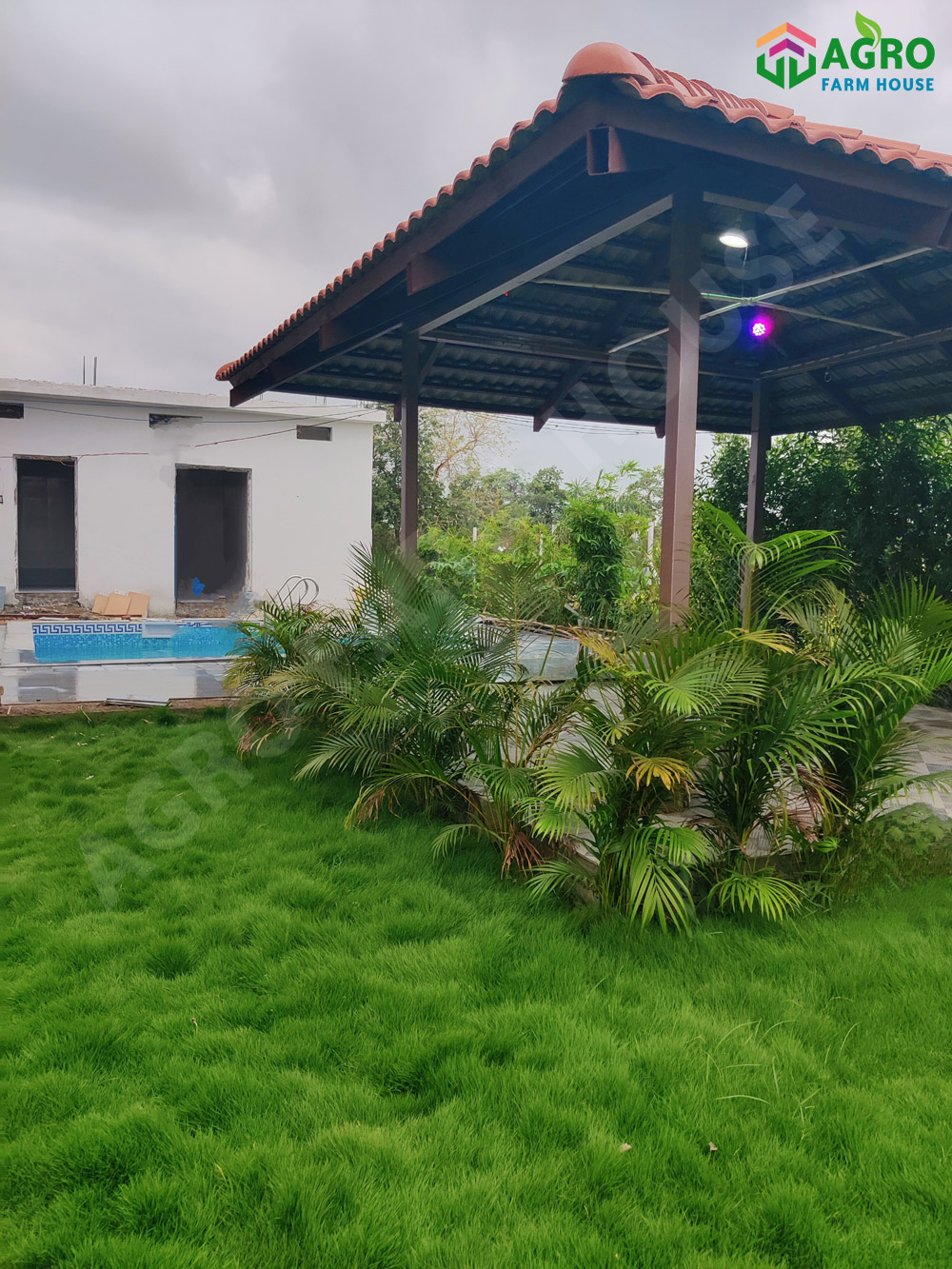
- See the farmhouse, gazebos, lawns and pool (if included) in person, and compare with the actual photo gallery.
People
- Talk to the on-ground team and, if you can, to neighbours or villagers.
- Ask existing owners about their experience.
Part 3: Living near a tiger reserve
- Ask what boundary, lighting and safety practices are recommended for the area.
- Ask the forest department or local guides about wildlife movement in the area.
- Plan your visit with the reserve’s schedule in mind if you’d like to see Bor too.
Part 4: If you want rental income
Ask about the operator’s track record, lease tenure, payout schedule, termination, maintenance and damage responsibility, personal-use booking rules and tax treatment. We outline each of these in our rental income guide.
Gentle red flags
- Pressure to decide today without documents.
- Reluctance to share records or allow an independent legal check.
- Promises of “guaranteed” appreciation or returns.
- Prices far above or below comparable offers, with no explanation.
- Unclear boundaries or access.
Good sellers welcome questions. If you ever feel rushed, pause. A transparent project will still be there next week.
Ready to take the next step?
We’d love to show you around. Schedule a site visit, bring this checklist and ask us anything, including the tough questions. You can also explore the project details or revisit the appreciation guide first.
Frequently asked questions
What documents should I check before buying farm land?
At minimum, the 7/12 extract, 8A, title chain, mutation entries, encumbrance status, measured area and approvals, plus the draft agreement. Have an advocate verify them.
How long should a site visit take?
Plan at least half a day, including travel, so you can walk the land, see the surroundings and ask questions without rushing.
Should I hire my own advocate?
Yes. An independent advocate who represents you is one of the best investments you can make in a land purchase.
Can I bring family or friends?
Please do. Several pairs of eyes notice more, and big decisions are nicer when shared.
Sources and notes
- India Environment Portal: Smallest tiger reserve Bor to have 661 sq km buffer (2015)
- JSA Prism, Real Estate, June 2026: MTAL Amendment
This checklist is general information, not legal or tax advice. Verify all project details and legal documents independently before purchase.