
If someone told you there’s a tiger reserve a short drive from Nagpur where the tigers are real, the forest is gorgeous and the crowds are small, you’d probably ask, “Where do I sign up?” Meet the Bor Tiger Reserve: India’s smallest tiger reserve, and one of Maharashtra’s best-kept secrets.
This is chapter two of our series on farm land near Nagpur. If you’re new here, you may want to begin with our friendly guide to buying farm land near Nagpur. Otherwise, grab a cup of chai and let’s go and meet the neighbours.
Bor Tiger Reserve at a glance
- Where: Wardha district, Maharashtra, in the Wardha river valley, with the Bor Dam at its heart.
- Size: about 138 sq. km, which is why it’s called India’s smallest tiger reserve. Roughly 116 sq. km is a protected core, and a small eco-tourism zone of about 5 sq. km is the only part open to visitors.
- Status: notified as a tiger reserve on 7 July 2014, the 47th in India.
- Forest type: South Deccan dry deciduous forest: teak, tendu and bamboo.
- Getting there: published sources put the reserve roughly 80 km from Nagpur’s airport, and Wardha is the nearest railhead, around 35 km away.
Who lives at Bor?
Besides tigers, Bor is home to leopards, gaur (Indian bison), sloth bears, sambar, chital, nilgai, wild dogs and wild boar. Birdwatchers will be delighted: more than 160 species have been recorded, including migratory visitors and several endangered raptors and vultures.
How many tigers? Honestly, published figures vary depending on the year and source, with commonly cited estimates ranging from the low teens to around twenty tigers in and around the reserve. Tiger numbers move with breeding, dispersal and monitoring methods, so for the latest count we always suggest checking with the Maharashtra Forest Department.
Small, but surprisingly important
Bor may be tiny, but ecologists regard it as an important stepping stone. Central India’s tiger habitats (Pench, Tadoba–Andhari, Nagzira–Navegaon, Melghat, Satpura and others) are linked by patches of forest, farmland and rivers, and tigers move between them looking for territory and mates. A widely cited 2015 study of central Indian tiger corridors found the Bor–Melghat link among those with the highest movement, and noted that Bor scores highly as a connector relative to its size.
Why does this matter to a land buyer? Because areas around such corridors tend to keep their natural, low-density character, which is exactly what makes them so appealing for a peaceful retreat. We unpack that in The tiger corridor effect on farm land value.
The buffer zone: the green ring around the reserve
Every tiger reserve has a core and a buffer. In 2015 the State Wildlife Board approved a proposed Bor buffer of roughly 661 sq. km, spread across the Wardha and Nagpur forest divisions, including about 200 sq. km of private land. Buffer zones are meant to give wildlife breathing room while allowing local communities to continue living and farming around them.
Planning a visit to Bor
- Safari gates: Bor has had gates including Bordharan and Adegaon, with limits on daily vehicles. Check current arrangements before travelling.
- Booking: safaris are booked online through the official Maharashtra tourism portal.
- Closed days: the reserve has traditionally been closed to tourists on Mondays.
- Best time: summer months (April–May) are often recommended, as animals gather around water sources, though winter mornings are beautiful too.
- Stay: MTDC runs a resort near Bor Dam, and private farm stays are an increasingly popular alternative. Which brings us to our favourite subject.
Why a farmhouse near Bor makes sense for guests
Safari-goers don’t just want to see a tiger; they want a relaxing base nearby, with lawns, space, a pool and privacy. A farmhouse approximately 4 km from the Bor landscape can offer exactly that, which is why wildlife tourism is such an important driver of farmhouse rental demand. We look at the bigger picture in Vidarbha’s wildlife tourism story.
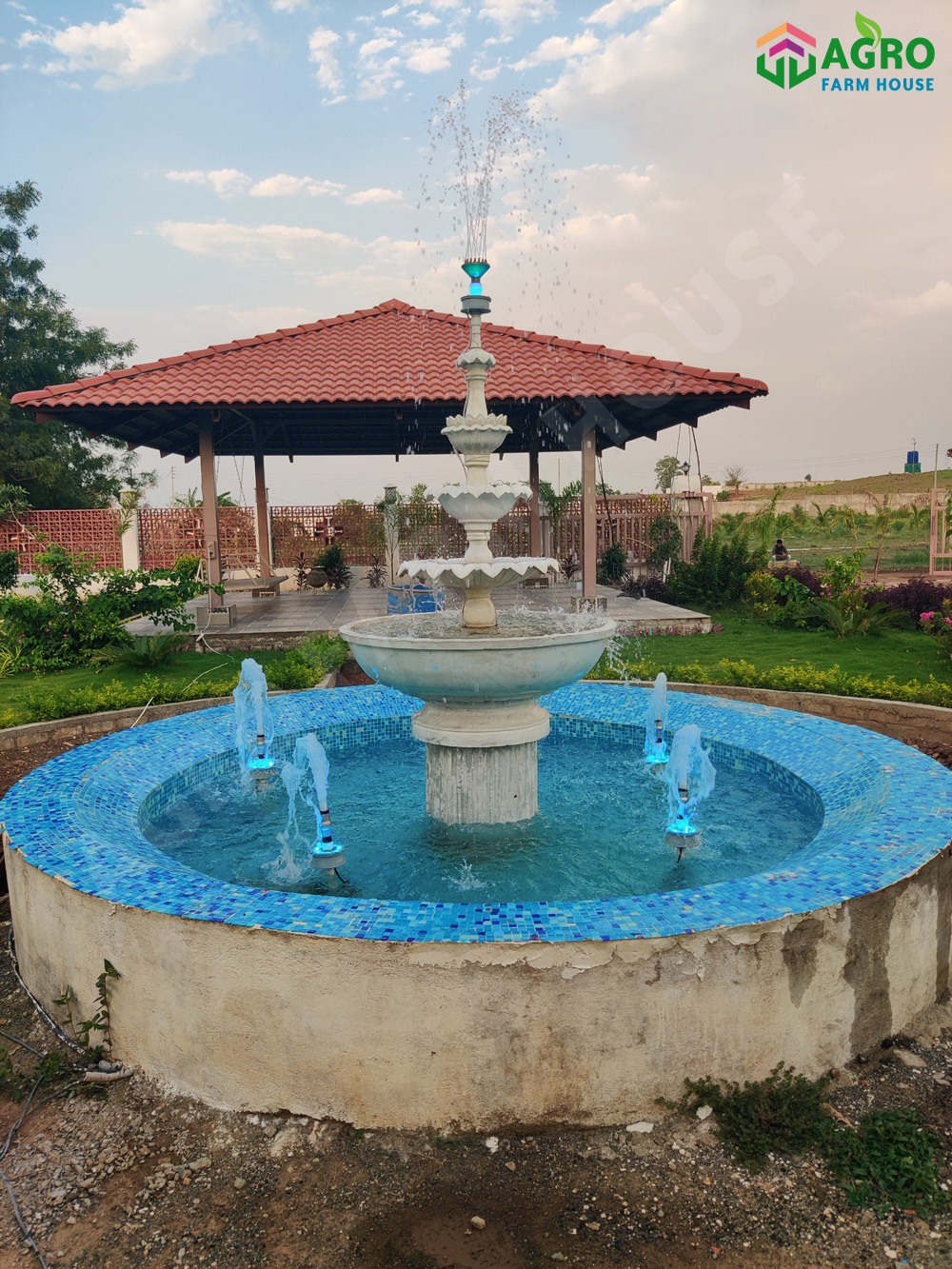
Curious how the Agro Farm House estate looks? Browse the actual photo gallery. No stock images, just the real thing.
Frequently asked questions
Is Bor really India’s smallest tiger reserve?
Yes. At roughly 138 sq. km, Bor is widely described as the smallest tiger reserve in India.
Can I see tigers at Bor?
Sightings are never guaranteed, since these are wild animals. Many visitors enjoy the forest, the birdlife and other wildlife even when the tiger stays hidden.
How far is the farm from Bor Tiger Reserve?
The Agro Farm House project is approximately 4 km from the Bor Tiger Reserve landscape. Distances are approximate, so we recommend confirming on the map during a site visit.
Is the Bor Tiger Reserve open all year?
Opening days, gates and seasonal closures can change. Always check the official Maharashtra tourism and forest department pages before planning a trip.
Sources and notes
- Wikipedia: Bor Wildlife Sanctuary
- Outlook Traveller: Bor Tiger Reserve, India’s smallest tiger reserve
- India Environment Portal: Smallest tiger reserve Bor to have 661 sq km buffer (2015)
- India Environment Portal: NH6, NH7 cut tiger corridors with highest movement: study
This article is general information, not legal, tax or investment advice. Wildlife figures and visitor rules change; please verify with official sources.