
Should you put your hard-earned money into gold, fixed deposits, shares, a city flat, or a farm estate? Here’s the friendly truth: there is no single best answer. The wisest families blend several. Let’s see where farm land fits, with no hype.
This is chapter seven of our series. Missed the basics? Start with why farm land near Nagpur.
A quick, honest comparison
| Asset | What’s lovely about it | What to watch |
|---|---|---|
| Farm land | Tangible, scarce, usable (weekends!), can earn rent, potential long-term appreciation | Illiquid, paperwork-heavy, needs due diligence; returns not assured |
| Gold | Easy to buy and sell, traditional store of value | No income; price swings; storage or purity concerns |
| Fixed deposits | Predictable, simple, low stress | Interest is taxable; returns may lag inflation |
| Shares / mutual funds | Liquid, can grow strongly over long periods | Volatile in the short term; needs emotional discipline |
| City flat | Familiar, rental demand, loan options | High entry prices, maintenance, modest rental yields |
This table is a general overview, not advice. Every investment has risks, and past performance does not predict future results.
What makes farm land different
You can enjoy it
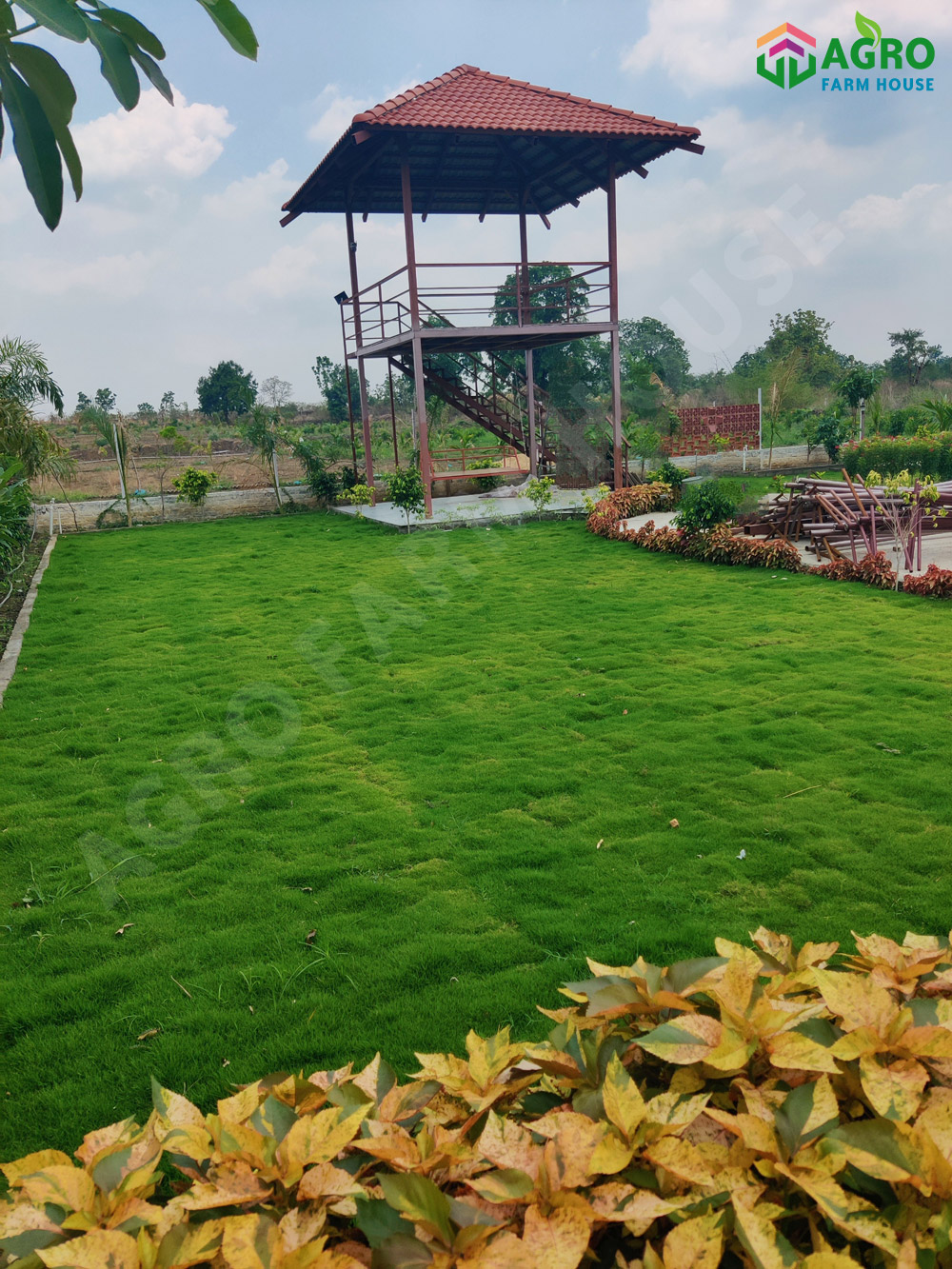
You can’t have a picnic on a mutual fund. A farm estate gives you something to use: weekends, celebrations, fruit from your own plants, quiet mornings. That “lifestyle return” is hard to put in a spreadsheet but easy to feel.
It’s finite
Land can’t be printed or created at will. Good land close to a growing city has a natural scarcity that often supports long-term demand. We discuss this in the appreciation guide.
It can generate income
A managed farmhouse programme can offer indicative monthly rent. For the proposed Agro Farm House model, up to ₹25,000 (1 BHK) or up to ₹45,000 (2 BHK) per month, which works out to roughly 3.5% gross yield before costs. Details and caveats in the rental income article.
It behaves differently from markets
Land values don’t flicker every second the way share prices do. For some families that calm is a feature; for others, the inability to sell quickly is a drawback. Both views are fair.
Let’s be honest about liquidity
Farm land isn’t something you can sell by tomorrow afternoon. Selling can take weeks or months, and you need a willing, eligible buyer. That’s why financial planners commonly suggest keeping emergency money in liquid forms and treating land as a long-term allocation, not your only asset.
A sensible way to blend
- Keep an emergency fund in a savings account or liquid fund.
- Grow long-term wealth with diversified market investments, if suitable for you.
- Add a real asset such as farm land for diversification and personal enjoyment, ideally using money you won’t need for several years.
- Consider gold for traditional diversification.
The right mix depends on your age, goals and risk comfort, so please speak with an independent financial advisor.
Can I buy without paying everything upfront?
Some buyers prefer to spread the purchase. Agro Farm House offers seller-direct installment plans (not a bank loan) described in our 0% installment plan guide. Always read the executed agreement carefully.
Tax: one-line summary
Agricultural income is generally exempt; capital gains on land depend on whether it qualifies as rural agricultural land; rent from a farmhouse is generally treated differently from farming income. These are specialist matters, so consult a chartered accountant.
Frequently asked questions
Is farm land better than a flat?
They serve different goals. A flat is familiar and often easier to finance; farm land offers open space, scarcity and lifestyle value but may be less liquid and needs more due diligence.
Is farm land better than gold or shares?
Not necessarily. Each has a role. Diversifying across asset types can reduce risk, and the right mix depends on your situation.
How easy is it to sell farm land?
Less quick than selling shares or gold. Plan for a longer timeline, and remember that rules about who may buy agricultural land apply. See our rules explainer.
How much of my savings should go into land?
There’s no universal answer. Many advisors suggest limiting any single illiquid asset to a portion of your overall wealth. Speak to an independent financial planner.
Sources and notes
This article is general information, not financial, legal or tax advice. Investments carry risk and returns are not guaranteed.